Don't Trust a Cheat! Lessons in Ian Fleming's Moonraker
M Understood... But Has Hugo Drax Actually Won?

(This article contains spoilers for Ian Fleming’s Moonraker)
I recently read Ian Fleming’s Moonraker (1955) for the first time. I’ve read plenty of Bond over the years, but this one had eluded me, mostly, I think, because I hated the film so much that I didn’t make time for the novel—even though most Bond books are nothing like the film counterparts.
And honestly? I’m glad I waited. It hit hard, particularly with where we are politically.
Bond thrives in that sweet spot I call espionage-noir. He often operates like a private eye. Like Philip Marlowe, Spenser, or Kinsey Millhone, his work is a mix of intelligence-gathering and inevitable showdowns with villains, all before returning to his lonely life, waiting for the next mission. Britain might be saved, but Bond never is.
Moonraker leans effectively into noir sensibilities. Unlike the globe-trotting adventures of other Bond stories, this novel takes place entirely in England. Bond isn’t dealing with a shadowy international conspiracy—his enemy is a celebrated English patriot, a man beloved by the public. A theme that is common among noir literature, where trusted public figures are dirty rats. This makes Moonraker one of the most paranoid Bond novels, steeped in the fear that the real threat isn’t lurking in the shadows of some foreign land but hiding in plain sight, shaking hands with the Prime Minister, and writing letters to the Queen about how he can protect her.

It’s a classic noir setup: Bond is called in to investigate a personal favour for M. The mission? Look into Sir Hugo Drax—a national hero, multimillionaire, and mastermind behind Britain’s first nuclear deterrent, the Moonraker missile.
All because M suspects Drax is cheating at cards!
Cheating at cards! That suspicion alone is enough to raise M’s alarm. Gone are the days when something so simple could trigger a response such as M’s. And, of course, he’s right—not only is Drax cheating, but he turns out to be a Nazi and wartime saboteur, plotting to use the Moonraker missile to wipe England off the map as revenge for Germany’s defeat in WWII.
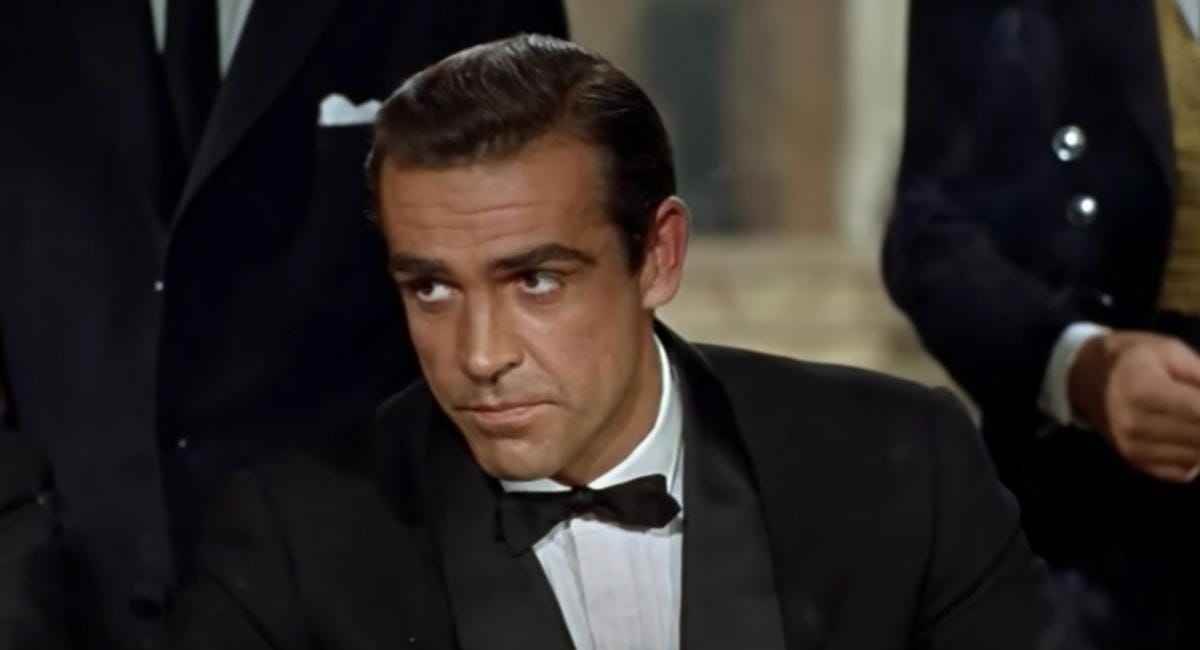
This is what makes Moonraker so compelling—it’s a story about deception, manipulation, and the dangers of misplaced trust. Drax is a fraud in every sense of the word, from his rigged card games to his carefully constructed backstory as a self-made war hero. The novel thrives on noir’s favourite themes: the corrupt elite, the betrayal of institutions, and the loner, the tarnished knight—Bond—going to battle against the dragon, knowing full well it is only a momentary peace, because crime never stops.
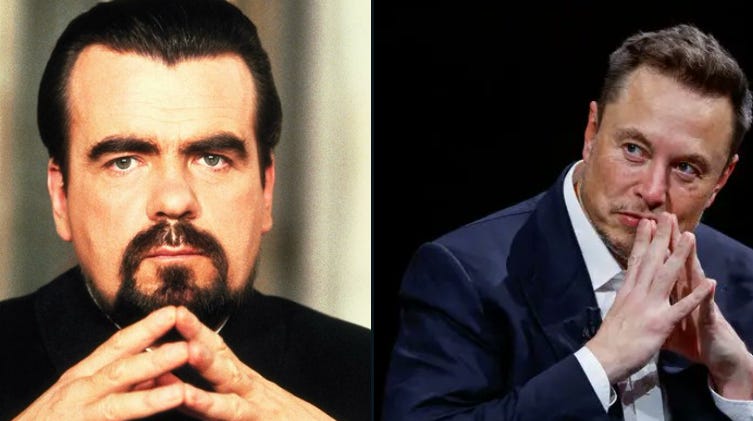
Now, let’s talk about another notorious cheater: Elon Musk.

Musk is said to have “cheated at video games to get a high score.” Silly, right? Who cares about gaming cheats? That’s hardly newsworthy. Hardly worth a spy wasting time on, surely? If Moonraker were set today—that would be the catalyst that spurred M to have Drax investigated. He would want to know for certain if Drax was a cheat because a person who cheats at the little things can’t be trusted with the big stuff.
M was right to worry. And we should have been…
Fast-forward to 2025, and the parallels between Moonraker and our reality are unsettling. Musk, a rocket building, unelected billionaire, has been handed enormous power by Russian sympathiser and Dictator-in-Chief Trump. Unlike Drax, Musk isn’t even hiding his ideology—at Trump’s presidential inauguration, he twice performed what looked like the Sieg Heil. A few weeks later, Steve Bannon followed suit at CPAC, openly performing an identical gesture and declaring that Jews are the enemy of MAGA. The enemy isn’t out there… they are INSIDE.
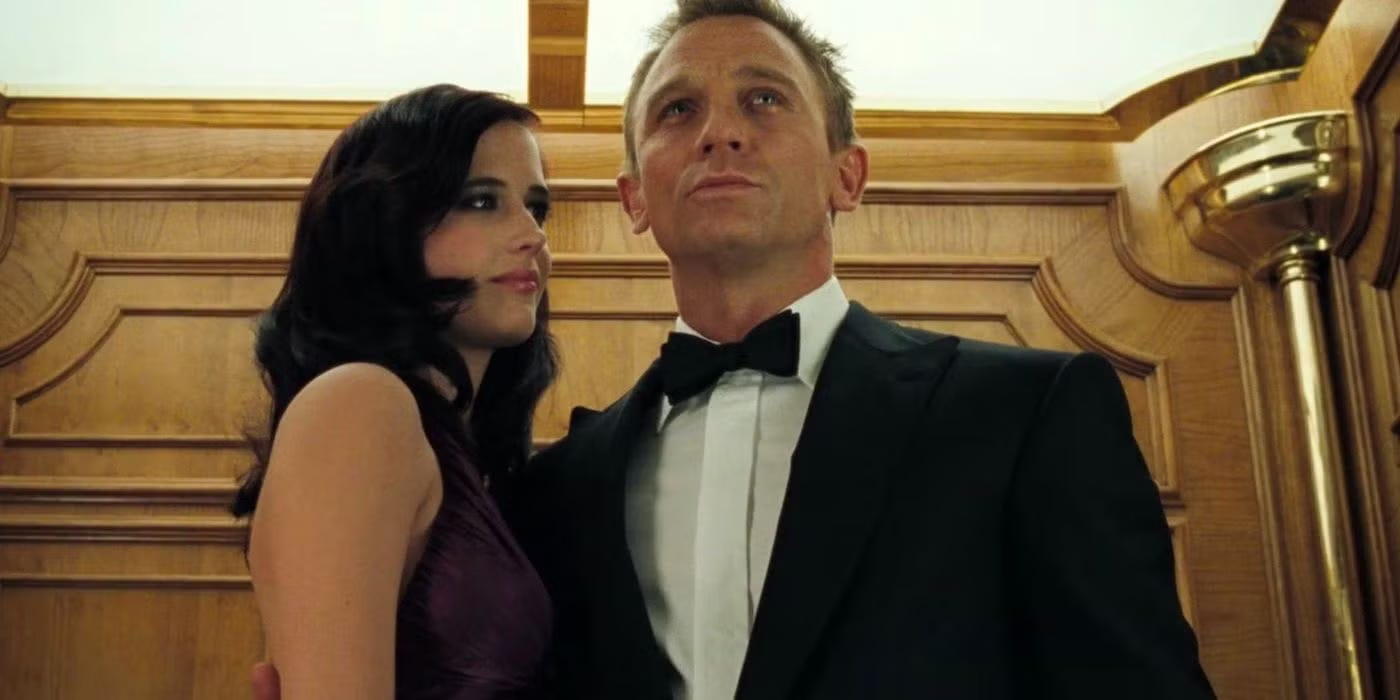
Fleming’s Moonraker, like Casino Royale and Live and Let Die, explores the ever-present danger of the traitor within. Right now, Neo-Nazis have infiltrated the Republican party like Spectre did in 007’s 2015 film Spectre, and most Democrats are too busy pussyfooting around to do anything important about it. For years, Musk courted America—selling dreams of Mars colonization, appearing on The Big Bang Theory, South Park, and SNL, and even making a cameo in the Marvel Cinematic Universe. He cosied up to the left, donating to Obama, Hilary Clinton, and Biden. But unlike Drax, his shift from sort of Left to Alt-Right wasn’t exactly subtle.
Why buy Twitter, one of the largest social media platforms, and rebrand it as X? Because he doesn’t just want to control the narrative—he wants to suppress dissent. Like most tech billionaires, he’s a megalomaniac. Musk, like Hugo Drax, needs you to think you can’t survive without him, that he’s a champion of the people, and, despite all the red flags, demands your allegiance. And if you don’t follow him, he’ll come after you. He throttles news links on X, ironically punishes his right-wing critics, silences opposition, and fires employees who disagree with him publicly. Like Drax, he’s not just obsessed with power and control, but also revenge. And now, the man behind Tesla, SpaceX, and X—the man literally building rockets and throwing out Nazi salutes—has wormed his way into the White House and is working for a President-turned-dictator as an SGE aka ‘Special Government Employee, a job that is meant to be a temporary advisory role. While it’s not unusual for SGEs to come in, it is unprecedented for Musk to threaten to shut down government agencies and fire government employees—something he does not, nor anyone one person in the White House, have the authority to do. Yet, here we are. All because people trusted a cheat to be President back in 2016.
America has fallen for the greatest political con in recent history.
Hugo Drax wanted to blow up England.
Elon Musk wants to blow up American democracy.
And so far? He’s doing one hell of a job.
M was right—don’t trust a cheat.
The question is—has the real-life Hugo Drax actually won?